
The future of biosolids: From land bank to new ground
20th July 2026
The Heritage Council’s Biodiversity Officer Programme: Shaping Ireland’s wild future
20th July 2026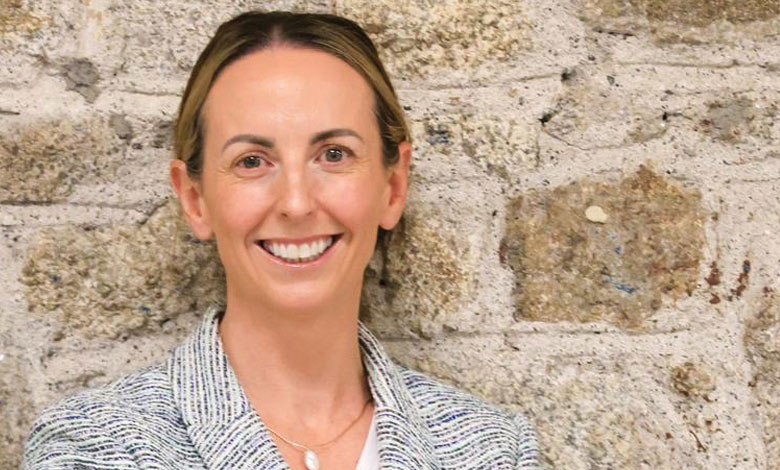
In many organisations, sustainability still sits just outside the centre of gravity, acknowledged as important, spoken about with conviction, yet not always visible in the choices that shape investment, operations and culture.
At Uisce Éireann, that balance is beginning to shift. Sustainability is becoming less a standalone agenda and more a governing lens through which the organisation makes decisions. That matters because Uisce Éireann is not operating at the margins. As Ireland’s national water utility, it is responsible each day for delivering safe drinking water, treating wastewater, protecting public health and supporting homes, communities and economic growth. When an organisation of that scale begins to embed sustainability into the way it plans, invests and operates, the effects are significant. Under the guidance of Head of Sustainability and Innovation Eimear Christian, Uisce Éireann is showing what it looks like when sustainability moves from aspiration to delivery.
The clearest expression of that shift is found in the organisation’s Sustainability Strategy. Rather than framing sustainability as a collection of worthy side initiatives, the strategy establishes a business-wide framework for action, structured around four interconnected pillars: Environment, Social, Collaboration and Governance. Just as importantly, it is anchored in six measurable ambitions that give the agenda real substance, from net zero by 2040 and biodiversity net gain across new projects by 2030, to sustainable economic levels of leakage by 2034, an employee inclusion index of 80 per cent by 2030, educating one million people on the value of water by 2030, and ensuring circular solutions are considered at every phase of capital projects. The tone is unmistakable. This is no longer a conversation about intent alone; it is a conversation about targets, accountability and delivery.
That is a considerable undertaking in a utility business of this size. Uisce Éireann supplies around 1.7 billion litres of drinking water every day and treats more than 1.2 billion litres of wastewater before returning it safely to the environment. These are vast and complex operations, closely bound up with some of the defining challenges of our era: climate resilience, energy demand, biodiversity loss, public confidence and the long-term strength of national infrastructure. Embedding sustainability in that context requires far more than a well-written strategy. It means building environmental and social thinking into strategic planning, capital investment, design standards, operational priorities and the systems used to measure performance.
One of the most important reasons this agenda is gaining traction is governance. Eimear has helped shape a cross-functional structure that gives the strategy a far greater chance of succeeding in practice. In an organisation such as Uisce Éireann, progress depends on far more than one team or one senior sponsor. Engineers, operators, procurement specialists, planners, asset managers, programme leads and communications teams all influence the outcome. Effective governance creates shared ownership across that landscape. It ensures sustainability is translated into standards, specifications, investment choices and internal processes, so that it informs how decisions are made.
Nowhere is that more visible than in the environmental agenda. Uisce Éireann has committed to delivering a net zero water and wastewater service by 2040, an ambition that places the organisation a full decade ahead of Ireland’s wider carbon neutrality target. To support that commitment, change has to reach deep into the fabric of the business: greater investment in renewable energy, improved energy efficiency and the development of lower-carbon infrastructure. It also requires a sharper focus on water efficiency and leakage reduction, because every litre of treated water saved eases pressure on resources, lowers emissions and strengthens resilience.
Biodiversity offers another compelling example of this shift in thinking. Uisce Éireann has committed to biodiversity net gain across all new projects by 2030, signalling a more ambitious vision of infrastructure delivery. The objective is no longer simply to minimise harm where possible, but to leave natural systems in a stronger condition than before. That ambition is beginning to shape the organisation’s thinking on catchments, tree planting, nature-based solutions and the early design stages of projects. For a utility with an extensive physical footprint, the significance is substantial.
The same principle is evident in the organisation’s growing emphasis on circular economy thinking. Uisce Éireann has committed to considering circular solutions at each phase of capital projects, a deceptively simple line that carries meaningful implications in practice. It asks teams to think earlier and more rigorously about resource efficiency, reuse and whole-life value. Some of that thinking is already tangible. At Ringsend, phosphorus recovery is converting wastewater treatment by-products into fertiliser, illustrating how innovation can transform waste into value.
Yet sustainability in a public utility cannot be measured by environmental performance alone. Uisce Éireann’s strategy allows for a broader, more credible understanding of what a sustainable business truly is. It must be safe, fair and inclusive. It must support the wellbeing of its workforce and earn the trust of the communities it serves. The ambition to reach an inclusion index of 80 per cent by 2030 matters for precisely that reason. It signals that diversity, equality and inclusion are not peripheral concerns, but part of the organisation’s long-term strength, resilience and legitimacy. Crucially, this wider social lens also extends beyond the organisation itself to those affected by its operations across the supply chain.
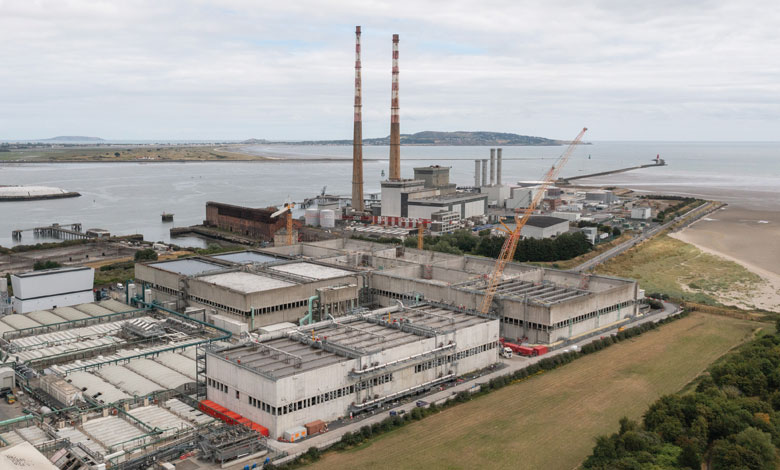
Ringsend Wastewater Treatment Plant
Collaboration is another reason the agenda is beginning to take deeper root. Uisce Éireann is clear about the fact that sustainability cannot be embedded by internal teams alone. In an organisation with major capital programmes and a broad operational footprint, outcomes are shaped as much by suppliers, contractors, delivery partners, researchers and stakeholders as they are by central strategy. That is why collaboration matters as a pillar in its own right. It reflects an understanding that sustainability must extend across the full delivery ecosystem, influencing how assets are designed, how projects are delivered, how innovation is supported and how relationships are formed.
The organisation is moving steadily beyond sustainability as a statement of intent and towards sustainability as a way of doing business. Uisce Éireann is not simply assembling examples of good practice. It is shaping a model in which governance, investment, operations, people, partnerships and public engagement all have sustainability at the core.
That is what makes the work under Eimear Christian’s guidance so consequential. It is not about attaching sustainability to the side of the organisation, it is about threading it through the operating DNA of a national utility whose decisions shape communities, infrastructure and the wider economy.
W: www.water.ie
 Ossian Smyth TD
 Florika Fink-Hooijer
 Antoine Oger
 Laura Curtis-Moss
 Anthony Costello
 Niall Ó Donnchú
 Mike Savage
 Brian Carroll
 Oisín Coghlan
 Stephen Onakuse
 Kevin O’Sullivan
 Hendrik W van der Kamp
 Philip Nugent
 Adrian Smyth
 Ainhoa Gonzalez Del Campo
 Geoff Doole
 Clare Pillman
 David Greenfield
 Danielle Conaghan
 Peter McEvoy
 Triona McGrath
 J Owen Lewis
 Gavin Smith
 Imelda Hurley
 Lucy Gaffney
 Dr Venkatesh Kannan
 Kevin Hegarty
 Eimear Cotter
 Aditya Arora
 Patric Child
 Eleanor Roche
 Andy Bleasdale
 Andrew Muir MLA
 Chris Hewitt
 Francesca Racioppi
 Danielle Conaghan
 Christopher Hammond
 Laura Díaz Anadón
 Lorna McAdoo
 Conor Murphy
 Mark Horton
 Niall McLoughlin
 Susan Hegarty
 Zoe Kavanagh
 Niall Ó Donnchú
 Venkatesh Kannan
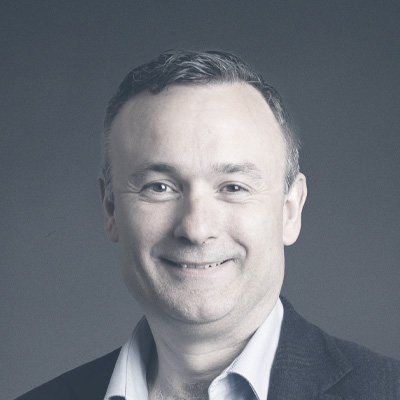 David McGee
 Anna Rose
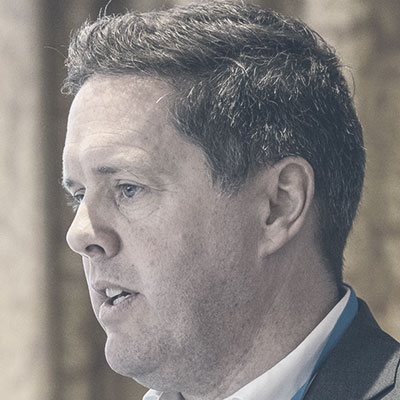 Paul Hogan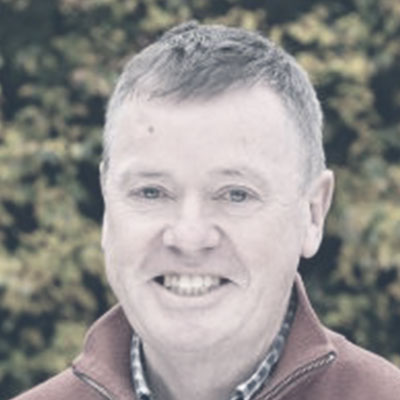
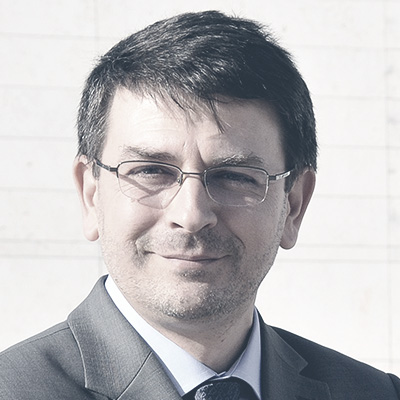










 Levent Ergin
 Veronica Manfredi
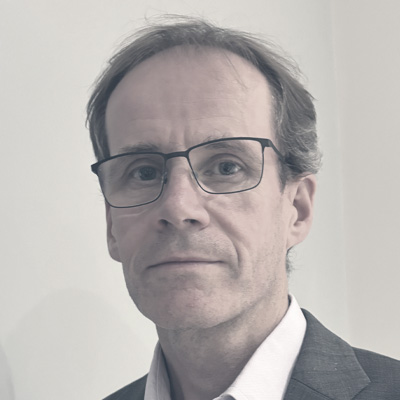 Francis Finnerty
  Timmy Dooley TD
 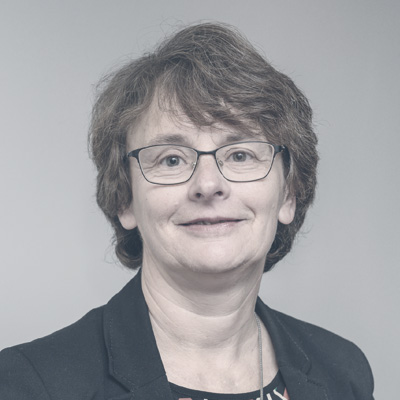 Julie Thompson
  Mark Thuillier
  Martin Hutchings
  Mark Nolan
 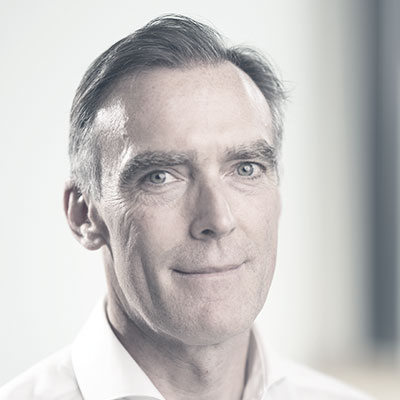 Ian Marnane
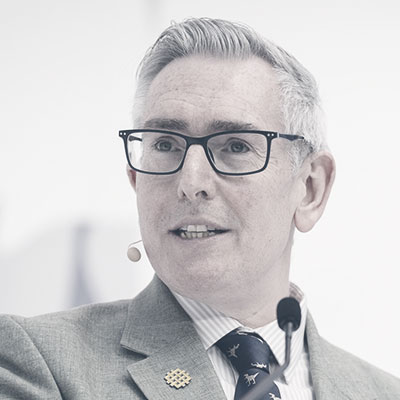 Tom Pickerell
 Caroline Kuzemko
 Alex White
 Dr Lizzy Pinkerton
 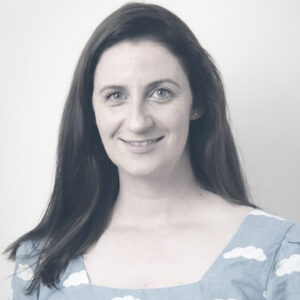 Dr. Lisa McNamee
 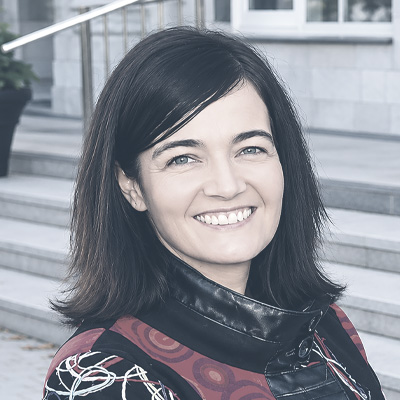 Denise Cahill
 Claragh Mulhern
 Sophie Reynolds
 Eva Maria Bille
 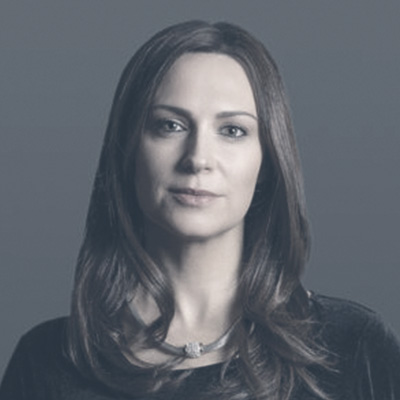 Jacinta Conway
  Joe Duignan
 Maria Fitzpatrick
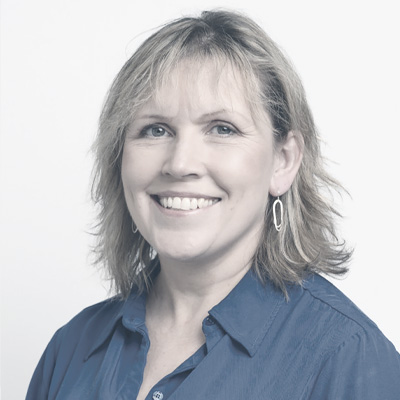 Martina Hennessy
  Noel Meehan
 Enda Murphy
  Barry O’Loughlin
 Paul O’Neill
 Irene Rondini
  Jessika Roswall
 Fiona Simpson
 Anne Goggin
  Catherine Vilquin
  Conall Boland
 Colin O’Hehir
 Janet Lynch
 Sara Lynch
 Maria Kelly
 Deborah Spence
 Juan Pablo Martinez
 Valentina Tarasco