
Building climate services and driving sustainable transformation
21st July 2026
Ministerial foreword
21st July 2026
As Minister of Agriculture, Environment and Rural Affairs, I am pleased to set out my key environmental priorities in this edition of the Environment Ireland Yearbook 2027.
The past year has marked a significant turning point for environmental policy in Northern Ireland. We have moved beyond setting direction and establishing frameworks, and into a new phase where delivery is paramount. This is the point at which progress must be demonstrated in practical terms, and where outcomes will define success.
My vision is to deliver a nature-positive society that is fair, resilient and prosperous, supported by a just transition for all sectors and communities.
Achieving this requires a clear and consistent focus on a number of priorities: advancing climate action in a way that benefits both communities and our natural environment; enabling nature recovery to halt and reverse biodiversity loss; improving water quality—particularly at Lough Neagh; ensuring that the benefits of a circular economy are widely shared; strengthening environmental governance; and embedding sustainability across planning and investment decisions.
The environmental challenges we face—including climate change, biodiversity loss and declining water quality—require more than ambition. They demand sustained action, clear accountability and measurable outcomes that deliver visible improvements in the places where people live and work.
In recent years, we have established a strong and coherent policy framework. This includes the Climate Change Act (Northern Ireland) 2022, the Environmental Improvement Plan, and the development of Climate Action Plans. Together, these initiatives provide a clear roadmap for the actions required to protect and enhance our environment.
However, policy alone is not enough. Real progress will be measured by what we deliver and by the difference that delivery makes on the ground. The emphasis is now firmly on implementation—moving from consultation to execution, from plans to programmes, and from ambition to impact.
This next phase requires strong governance and accountability across all sectors. Responsibilities must be clearly defined, progress must be consistently monitored, and action must be taken where delivery is not keeping pace with expectations.
Climate action sits at the centre of this work. The first Climate Action Plan sets out the pathway to meeting our initial carbon budget and is driving deliver across key sectors, including land use, agriculture, infrastructure and energy.
This is supported by nature-based solutions such as peatland restoration and the expansion of forestry. The transition to net zero is not only an environmental imperative but also an opportunity to strengthen our economy and build long-term resilience.
At the same time, nature recovery is moving into a delivery phase. The emerging Nature Recovery Strategy provides a framework for coordinated action, but its success will be determined by outcomes. Progress is being made through habitat creation, improved land management and enhanced ecological connectivity. However, further effort is required to scale delivery and achieve meaningful change.
Farmers and land managers are already contributing through schemes aligned to nature recovery. These include the creation of new habitats, the protection of existing ecosystems and actions that improve biodiversity across landscapes.
The measure of success will be clear: healthier ecosystems, recovering species and a natural environment better able to withstand future pressures.
Improving water quality remains one of the most complex and pressing challenges we face. The situation at Lough Neagh has highlighted the scale and urgency of the issue, as well as the wider systemic pressures affecting our waterways. Progress is being driven through River Basin Management, supported by coordinated measures to reduce nutrient pollution, improve wastewater management and promote more sustainable farming practices.
It is increasingly recognised that no single intervention will address these challenges. Sustained, cross-sector action is essential if we are to achieve the improvements required.
The transition to a circular economy is another priority where delivery must now take centre stage. Ongoing reform and investment will support more efficient use of resources, reduce waste and create new economic opportunities through innovation. The new Waste Management Strategy includes measures to improve recycling systems, reduce waste at source and support better resource management.
Agriculture has a central role to play in delivering environmental outcomes. Through the Sustainable Agriculture Programme and the Farming with Nature Package, farmers are taking practical steps that deliver tangible results. These include planting hedgerows, creating buffer strips to protect watercourses, improving soil management and establishing habitats that support wildlife. These actions demonstrate how policy is being translated into real environmental improvement.
Across all of these areas, one message is clear: delivery cannot be achieved by government alone. Strong partnerships are essential, involving business, farmers, communities and local government. Collective action will be critical to achieving the scale of change required.
We must also strengthen how progress is measured and communicated. Robus monitoring frameworks and transparent reporting will provide clarity on performance and help build public confidence in the actions being taken.
The focus remains clear. We must prioritise interventions that deliver the greatest impact, align resources with outcomes and maintain a consistent focus on implementation.
We are at a critical point. The policies are in place and the direction is clear. The test now is delivery—at pace, at scale and with measurable impact.
By strengthening governance, embedding accountability and maintaining a clear emphasis on outcomes, we can ensure that commitments are translated into real and lasting environmental improvements.
By working together, I am confident that we can deliver meaningful change and secure a better environment for future generations.
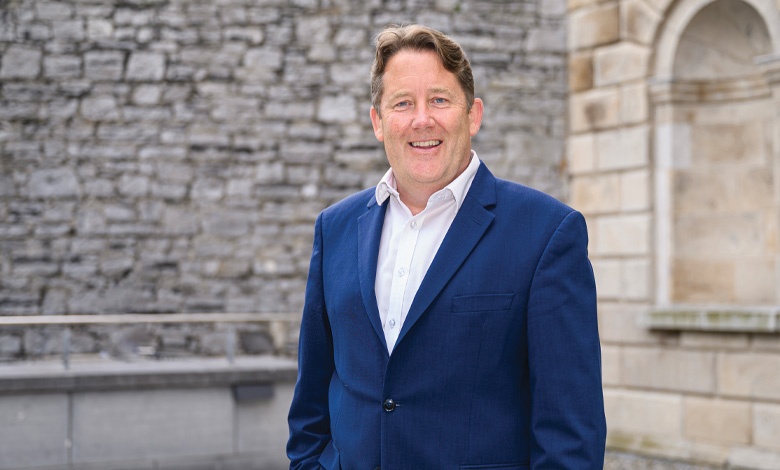
Andrew Muir MLA
Minister of Agriculture, Environment and Rural Affairs
 Ossian Smyth TD
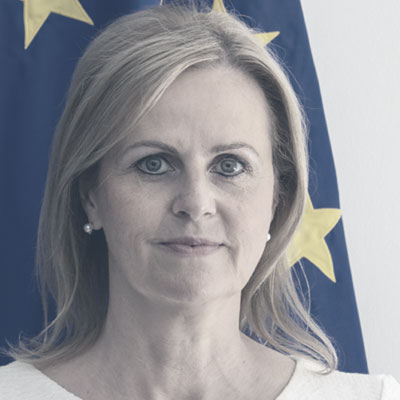 Florika Fink-Hooijer
 Antoine Oger
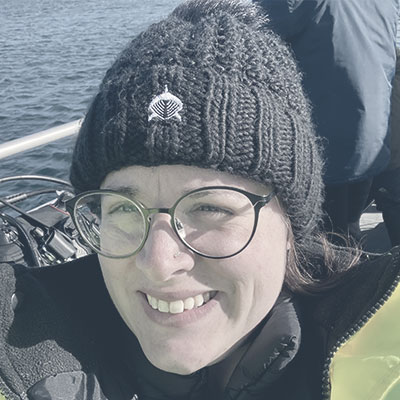 Laura Curtis-Moss
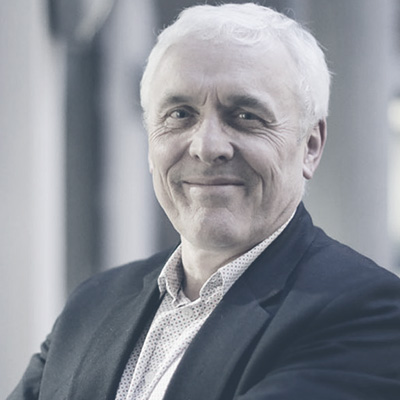 Anthony Costello
 Niall Ó Donnchú
 Mike Savage
 Brian Carroll
 Oisín Coghlan
 Stephen Onakuse
 Kevin O’Sullivan
 Hendrik W van der Kamp
 Philip Nugent
 Adrian Smyth
 Ainhoa Gonzalez Del Campo
 Geoff Doole
 Clare Pillman
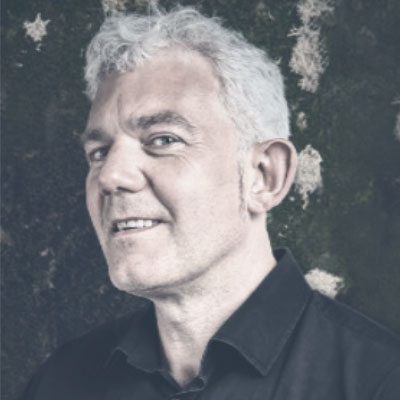 David Greenfield
 Danielle Conaghan
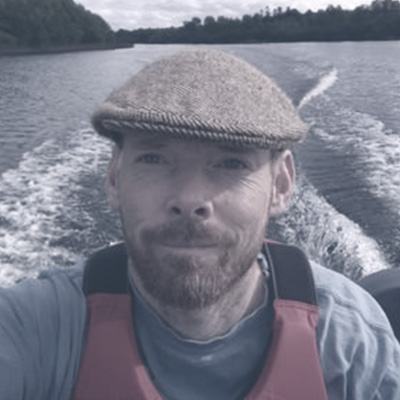 Peter McEvoy
 Triona McGrath
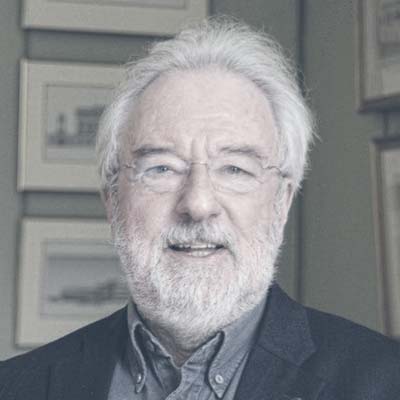 J Owen Lewis
 Gavin Smith
 Imelda Hurley
 Lucy Gaffney
 Dr Venkatesh Kannan
 Kevin Hegarty
 Eimear Cotter
 Aditya Arora
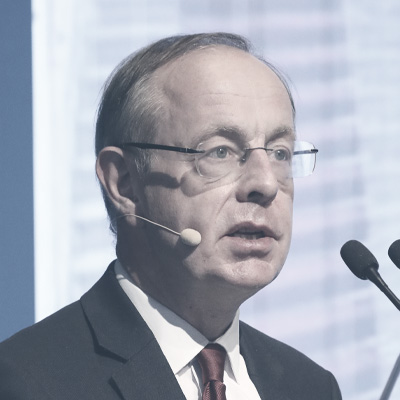 Patric Child
 Eleanor Roche
 Andy Bleasdale
 Andrew Muir MLA
 Chris Hewitt
 Francesca Racioppi
 Danielle Conaghan
 Christopher Hammond
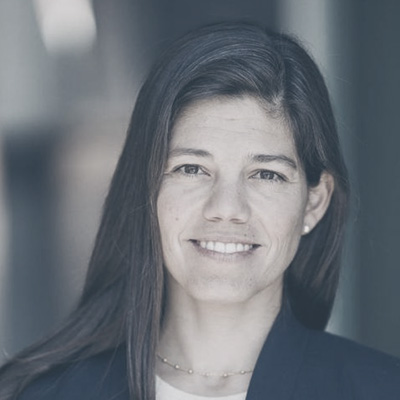 Laura Díaz Anadón
 Lorna McAdoo
 Conor Murphy
 Mark Horton
 Niall McLoughlin
 Susan Hegarty
 Zoe Kavanagh
 Niall Ó Donnchú
 Venkatesh Kannan
 David McGee
 Anna Rose
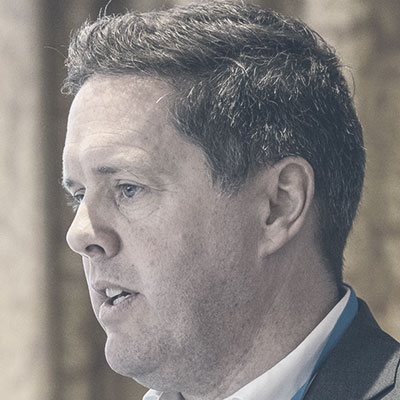 Paul Hogan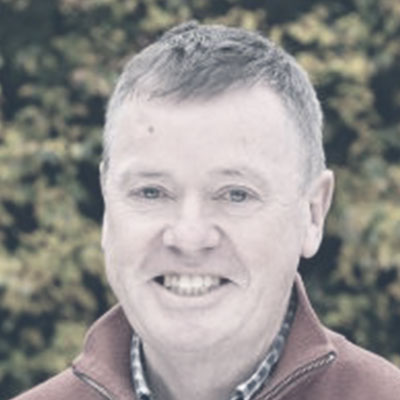
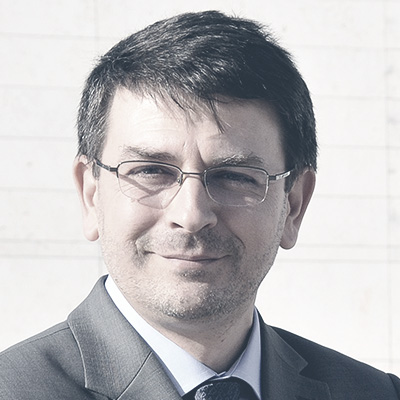









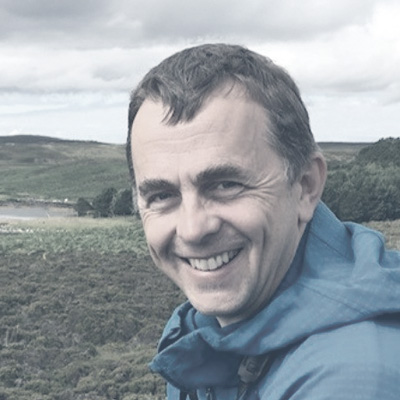






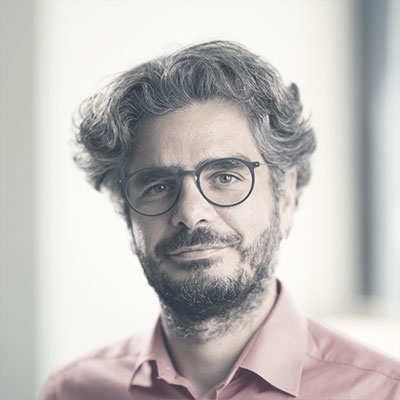




 Levent Ergin
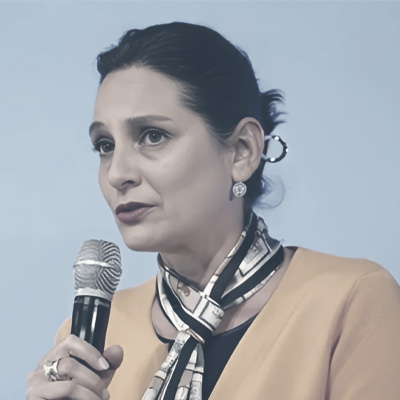 Veronica Manfredi
 Francis Finnerty
  Timmy Dooley TD
  Julie Thompson
  Mark Thuillier
  Martin Hutchings
  Mark Nolan
  Ian Marnane
 Tom Pickerell
 Caroline Kuzemko
 Alex White
 Dr Lizzy Pinkerton
  Dr. Lisa McNamee
  Denise Cahill
 Claragh Mulhern
 Sophie Reynolds
 Eva Maria Bille
  Jacinta Conway
  Joe Duignan
 Maria Fitzpatrick
 Martina Hennessy
  Noel Meehan
 Enda Murphy
 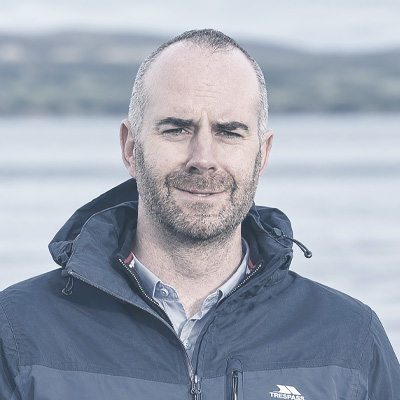 Barry O’Loughlin
 Paul O’Neill
 Irene Rondini
  Jessika Roswall
 Fiona Simpson
 Anne Goggin
  Catherine Vilquin
 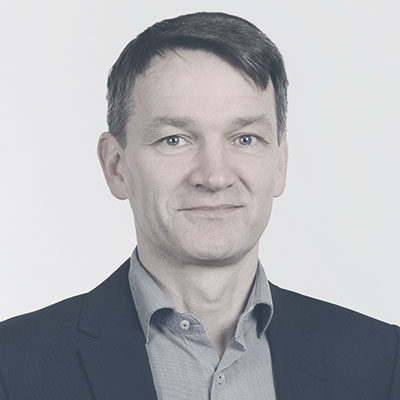 Conall Boland
 Colin O’Hehir
 Janet Lynch
 Sara Lynch
 Maria Kelly
 Deborah Spence
 Juan Pablo Martinez
 Valentina Tarasco