

Ministerial foreword: Andrew Muir MLA
21st July 2026
Extensive Water Action Plan (WAP) delays
25th August 2026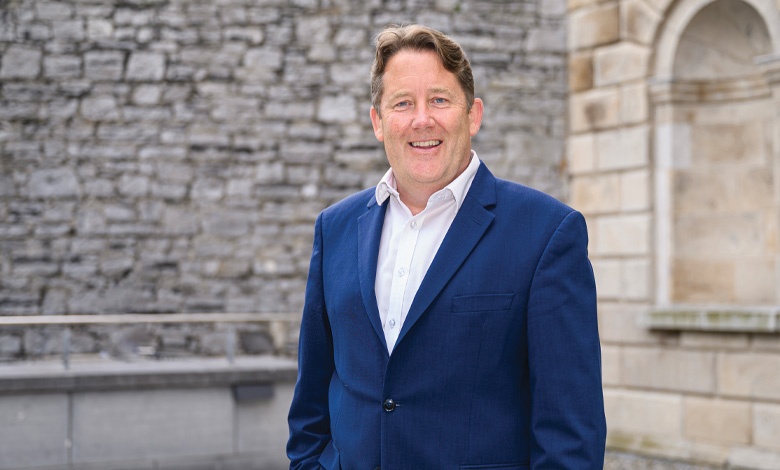
Climate change is the defining challenge of our time, and through our successive Climate Action Plans, we have set an ambitious target to reach climate neutrality by 2050.
Ireland has made substantial progress in delivering environmental and climate commitments set out in the Programme for Government, reducing emissions, enhancing energy efficiency, protecting the natural environment and transitioning to a circular economy.
We have the lowest level of greenhouse gas emissions in 35 years, with a third consecutive year of overall greenhouse gas emission reductions. Even with significant economic and population growth, we are more than halving the emissions of our electricity system, one that was heavily based on fossil fuels.
Our transition to a renewables-led energy system continues at pace, with onshore wind and solar electricity generation being the cornerstone of this transformation. Over the last decade we have seen a doubling of our onshore wind capacity and have seen solar become our third highest source of indigenous generation. We have record levels of renewable electricity generation capacity installed and expect to more than halve the emissions from our electricity system by 2030, from our 2018 baseline.
Ireland is transitioning to an economy that is more secure, more resilient, and more competitive, where energy security, clean air, and sustainable, future-proof jobs are experienced at all levels of society and in communities across the country. The Just Transition Commission is working to ensure no community is left behind as we drive towards a resilient, climate-neutral Ireland.
An extra €29.5 million in funding has been allocated for Community Climate Projects through the Community Climate Action Programme, empowering communities to take meaningful local action on climate change, while also contributing to our national climate and energy goals. We’ve also allocated 40 million towards the transition to electric vehicles, supporting more households to make the switch and further reduce our emissions and improve air quality. €30 million will support strong demand under the EV Purchase Grant Scheme and €10 million will support the introduction of the ICE2EV scheme.
Putting climate solutions at the centre of Ireland’s social and economic development delivers social benefits, including cleaner air, improved public health, and more comfortable homes. Over 268,000 home energy upgrades have been delivered since 2019 and we are targeting a further 73,000 this year – delivering warmer, healthier homes. The National Residential Retrofit Plan which I launched in January, is further improving the provision and accessibility of retrofitting grants.
As Ireland hosts the EU Presidency in 2026, we have an important opportunity to shape future EU and international policies on environmental issues. Effective international cooperation is crucial to navigate the climate crisis, which is the biggest global challenge facing the world today.
I look forward to continuing to work with my Government colleagues, environmental stakeholders, and our citizens to ensure that we are creating a future which safeguards our environment for everyone’s benefit.
Darragh O’Brien TD
Minister for Climate, Energy and the Environment and Minister for Transport
 I am pleased to contribute this foreword to the Environment Ireland Yearbook, a publication that continues to play a vital role in informing and connecting those working across Ireland’s environmental sector. For over two decades, Environment Ireland has provided an important forum for discussion, collaboration, and leadership, bringing together policymakers, practitioners, and innovators to address the most pressing environmental challenges we face. I am pleased to contribute this foreword to the Environment Ireland Yearbook, a publication that continues to play a vital role in informing and connecting those working across Ireland’s environmental sector. For over two decades, Environment Ireland has provided an important forum for discussion, collaboration, and leadership, bringing together policymakers, practitioners, and innovators to address the most pressing environmental challenges we face.
Ireland is at a pivotal moment in its environmental journey. The challenges before us – climate change, biodiversity loss, resource pressures, and the transition to a more sustainable economy are complex and deeply interconnected. However, they also present an opportunity to reshape our economy and society for the better. Central to this transformation is our commitment to a circular economy, moving away from the traditional “take-make-waste” model towards one that values longer use, resilience, innovation, and sustainability. The Whole-of-Government Circular Economy Strategy 2026–2028 sets out an ambitious and practical roadmap for this transition. It aims to reduce waste, keep materials in use for longer, and support new models of production and consumption that are both environmentally responsible and economically beneficial. By improving resource efficiency, strengthening competitiveness, and supporting sustainable jobs across the country, the strategy demonstrates that a circular economy and economic progress can go hand in hand. Delivering this vision will require collaboration at every level, across government, industry, communities, and individuals. It will involve embracing innovation, supporting local initiatives, and empowering citizens to make more sustainable choices in their everyday lives. Crucially, it also requires continued engagement and dialogue, which publications such as this Yearbook help to foster. The Environment Ireland Yearbook provides an invaluable resource in this regard. Its comprehensive coverage of policy developments, sectoral insights, and key stakeholders ensures that those working in the field are well-informed and equipped to contribute to Ireland’s environmental progress. As Minister of State with responsibility for the Circular Economy, I remain committed to accelerating Ireland’s transition to a more sustainable, resource-efficient future. Together, we can build an economy that is cleaner, more resilient, and better prepared for the challenges ahead. Alan Dillon TD |
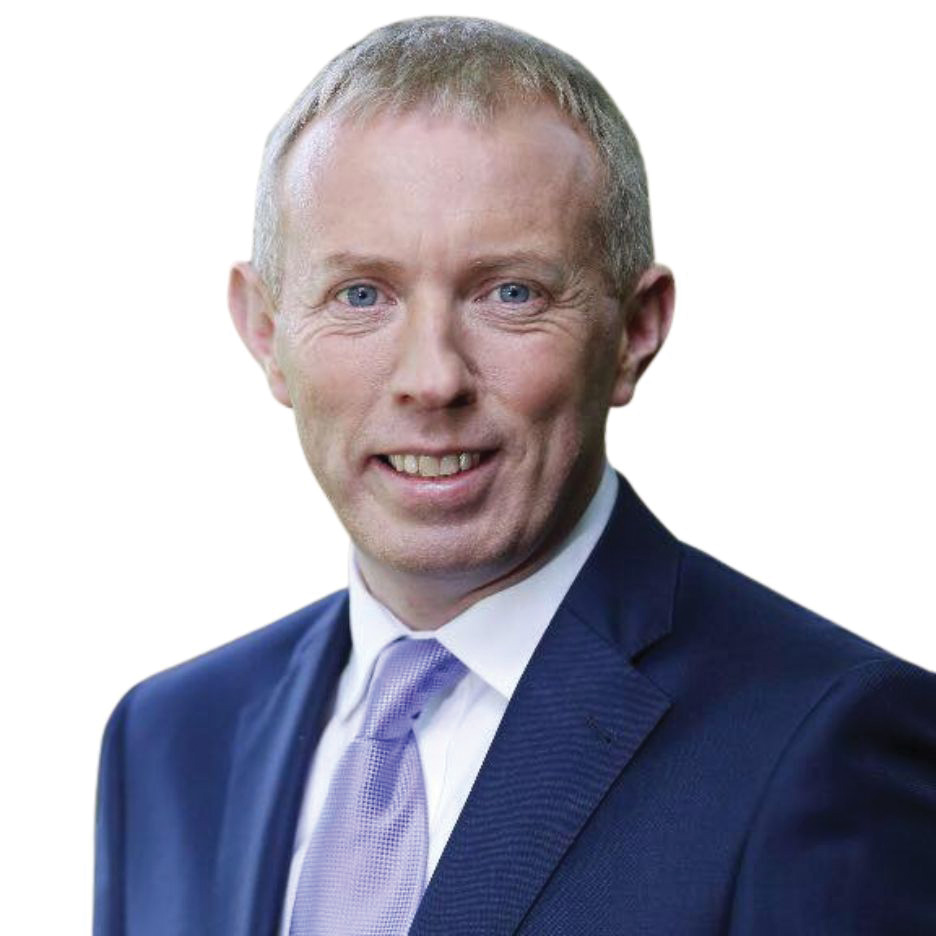 Minister for Climate, Energy and the Environment and Minister for Transport Ireland has set ambitious targets for protecting the marine environment from the triple threats of biodiversity loss, pollution and climate change. The Department of Climate, Energy and the Environment (DCEE) has lead responsibility for marine environmental policy to ensure that Ireland has a clean, healthy, biologically diverse and sustainably used maritime area that is resilient to the effects of climate change. This includes maintaining and achieving good environmental status in Ireland’s maritime area through implementation of the EU Marine Strategy Framework Directive (MSFD); as well as developing and overseeing the expansion of Ireland’s network of Marine Protected Areas (MPAs) including provision of primary legislation to allow for the designation and management of MPAs. Minister for Climate, Energy and the Environment and Minister for Transport Ireland has set ambitious targets for protecting the marine environment from the triple threats of biodiversity loss, pollution and climate change. The Department of Climate, Energy and the Environment (DCEE) has lead responsibility for marine environmental policy to ensure that Ireland has a clean, healthy, biologically diverse and sustainably used maritime area that is resilient to the effects of climate change. This includes maintaining and achieving good environmental status in Ireland’s maritime area through implementation of the EU Marine Strategy Framework Directive (MSFD); as well as developing and overseeing the expansion of Ireland’s network of Marine Protected Areas (MPAs) including provision of primary legislation to allow for the designation and management of MPAs.
The Department also leads and coordinates the MPA Life Ireland, a major project funded under the EU’s LIFE programme to develop the national network of MPAs. Key to this is our ambition to protect 30% of our marine waters by 2030 – to safeguard its unique species, habitat and ecosystem services. Ireland’s presidency of the EU in 2026 has been an important opportunity to shape future EU and international policies on marine environmental issues. I look forward to continuing to work with my Government colleagues, environmental stakeholders, and our citizens to ensure that balance can be found between social needs, including those of coastal and Island communities, economic benefits and our role as stewards of the ocean. Timmy Dooley TD |
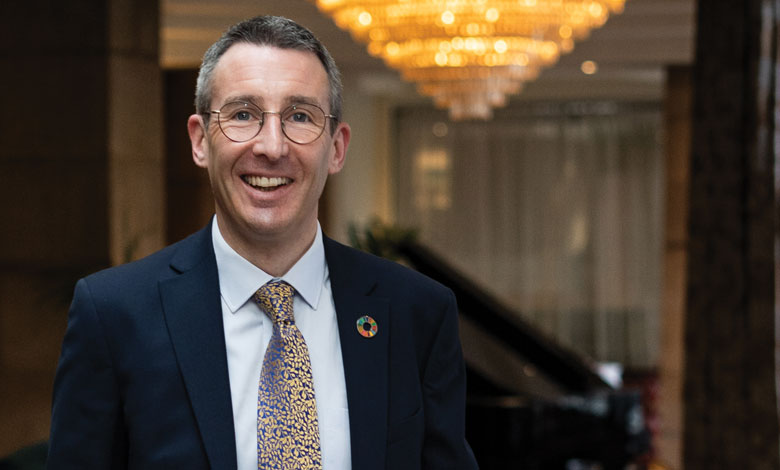
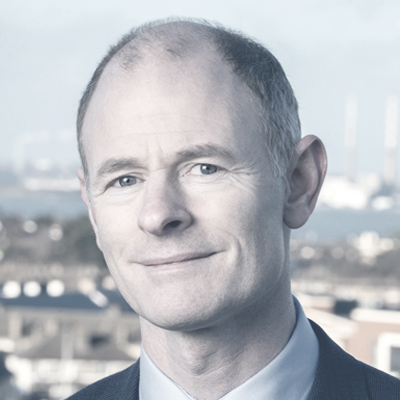 Ossian Smyth TD
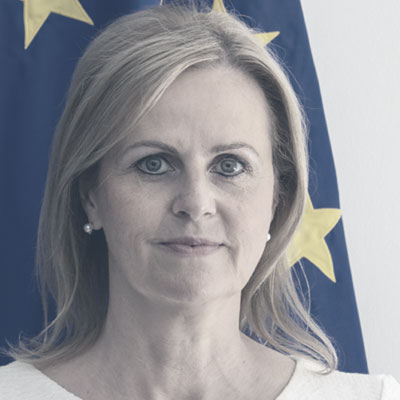 Florika Fink-Hooijer
 Antoine Oger
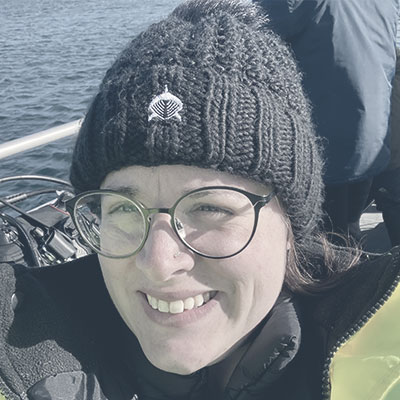 Laura Curtis-Moss
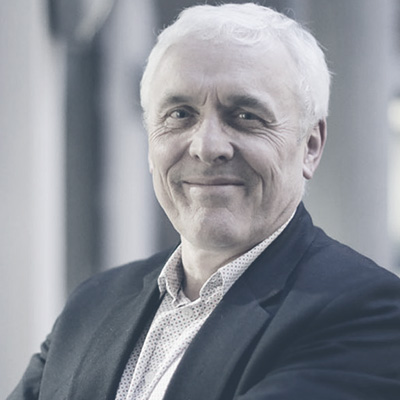 Anthony Costello
 Niall Ó Donnchú
 Mike Savage
 Brian Carroll
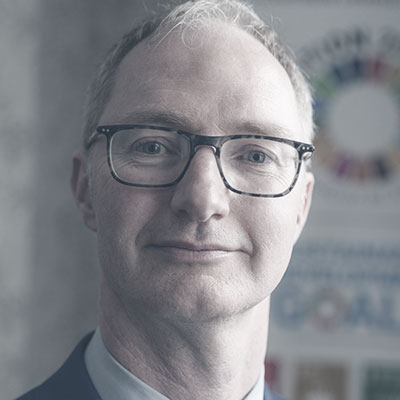 Oisín Coghlan
 Stephen Onakuse
 Kevin O’Sullivan
 Hendrik W van der Kamp
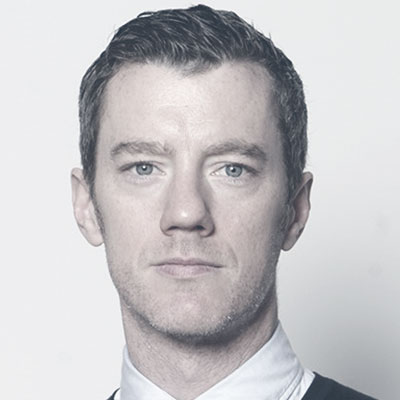 Philip Nugent
 Adrian Smyth
 Ainhoa Gonzalez Del Campo
 Geoff Doole
 Clare Pillman
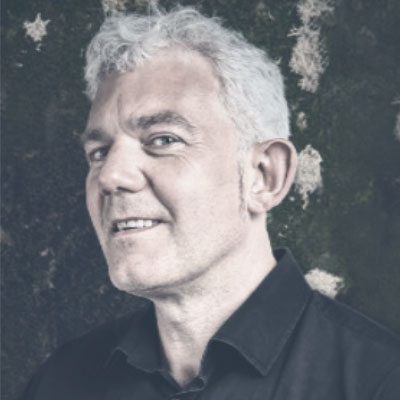 David Greenfield
 Danielle Conaghan
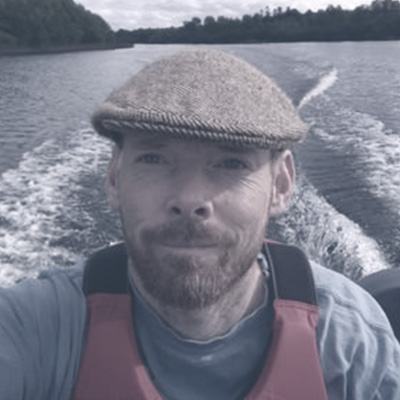 Peter McEvoy
 Triona McGrath
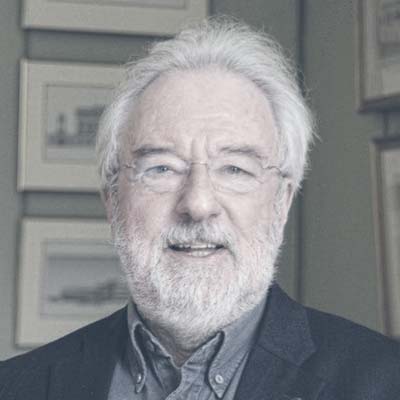 J Owen Lewis
 Gavin Smith
 Imelda Hurley
 Lucy Gaffney
 Dr Venkatesh Kannan
 Kevin Hegarty
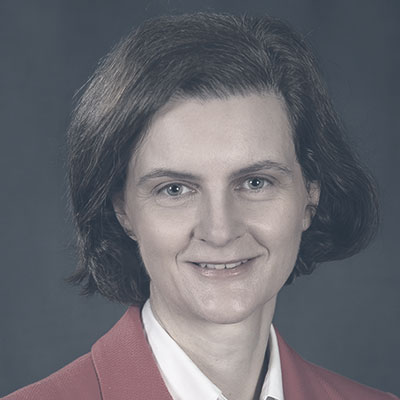 Eimear Cotter
 Aditya Arora
 Patric Child
 Eleanor Roche
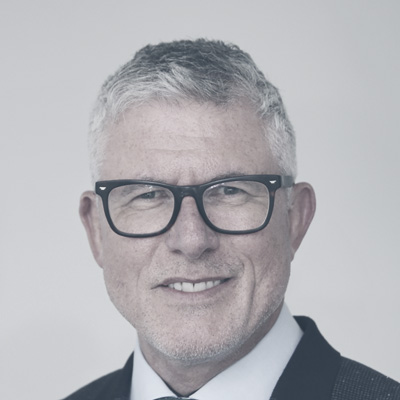 Andy Bleasdale
 Andrew Muir MLA
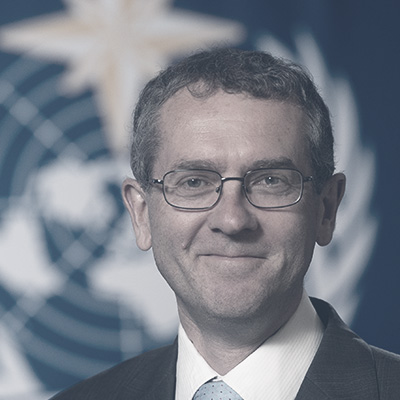 Chris Hewitt
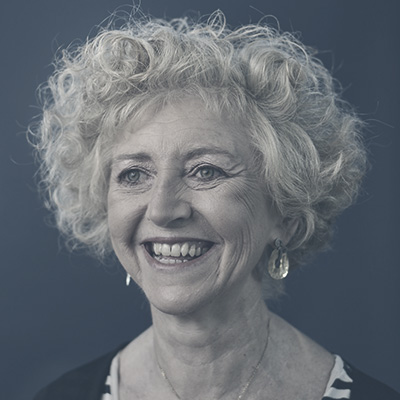 Francesca Racioppi
 Danielle Conaghan
 Christopher Hammond
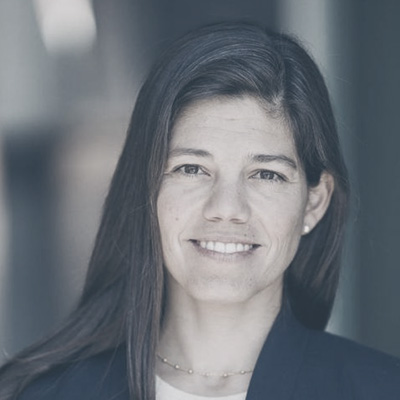 Laura Díaz Anadón
 Lorna McAdoo
 Conor Murphy
 Mark Horton
 Niall McLoughlin
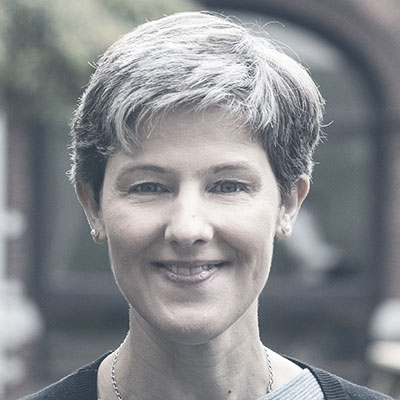 Susan Hegarty
 Zoe Kavanagh
 Niall Ó Donnchú
 Venkatesh Kannan
 David McGee
 Anna Rose
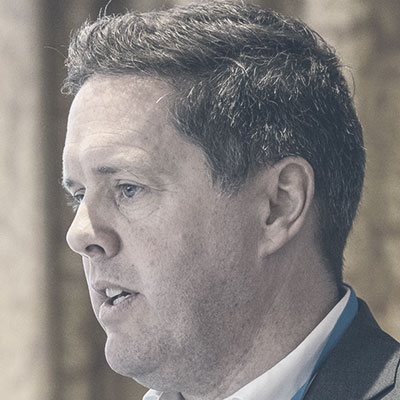 Paul Hogan









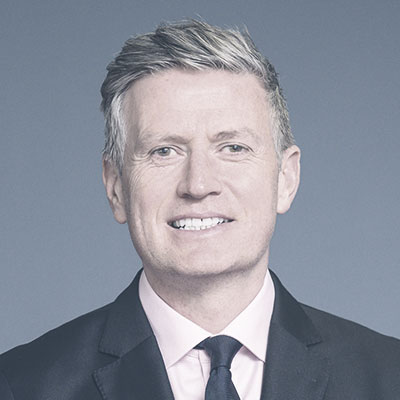








 Levent Ergin
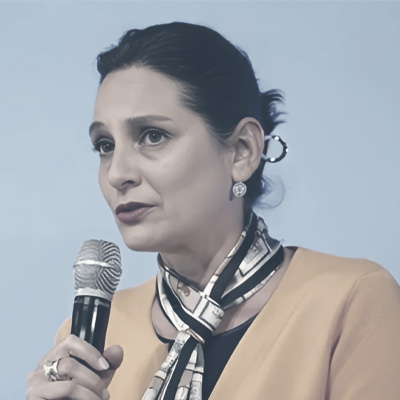 Veronica Manfredi
 Francis Finnerty
  Timmy Dooley TD
  Julie Thompson
  Mark Thuillier
  Martin Hutchings
  Mark Nolan
  Ian Marnane
 Tom Pickerell
 Caroline Kuzemko
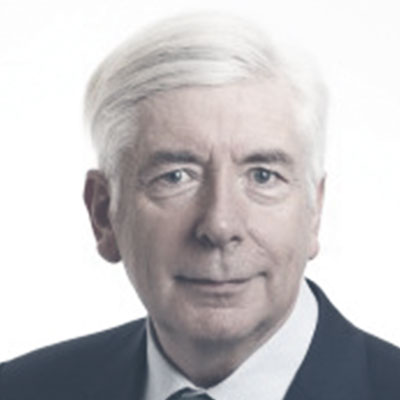 Alex White
 Dr Lizzy Pinkerton
  Dr. Lisa McNamee
  Denise Cahill
 Claragh Mulhern
 Sophie Reynolds
 Eva Maria Bille
  Jacinta Conway
  Joe Duignan
 Maria Fitzpatrick
 Martina Hennessy
 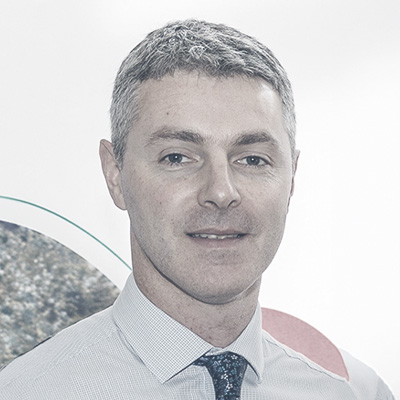 Noel Meehan
 Enda Murphy
 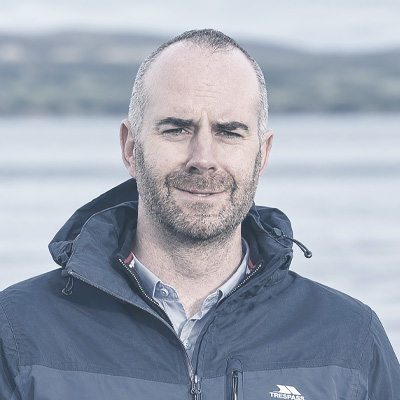 Barry O’Loughlin
 Paul O’Neill
 Irene Rondini
 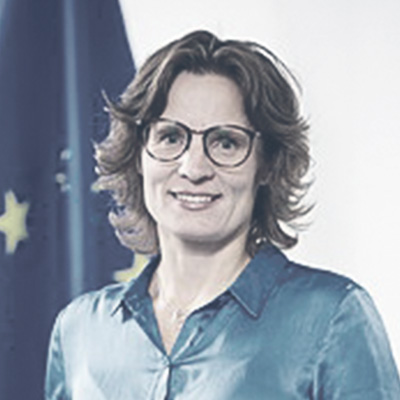 Jessika Roswall
 Fiona Simpson
 Anne Goggin
  Catherine Vilquin
 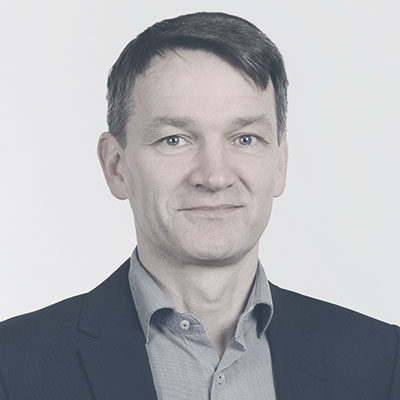 Conall Boland
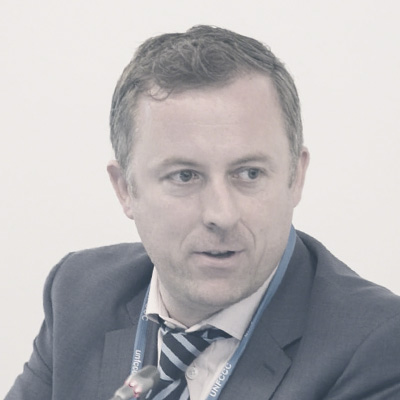 Colin O’Hehir
 Janet Lynch
 Sara Lynch
 Maria Kelly
 Deborah Spence
 Juan Pablo Martinez
 Valentina Tarasco