
Mapping the future: GIS and data driven spatial planning and placemaking
20th July 2026
Renewable gas certification enters a new phase in Ireland
20th July 2026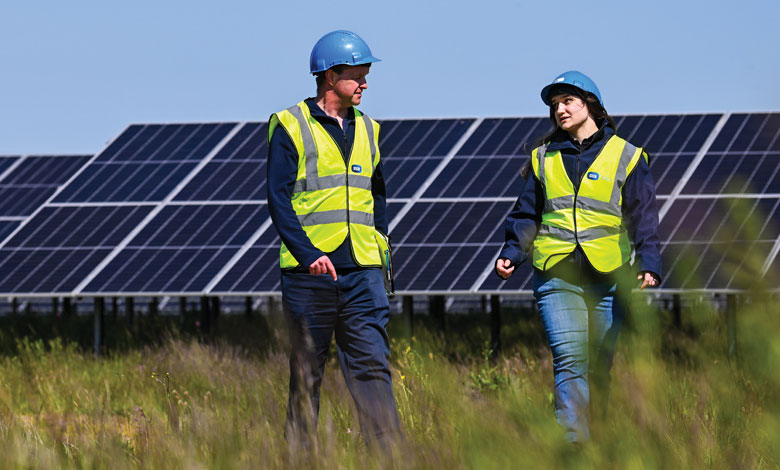
The conversation around corporate sustainability has shifted over the past few years. In the US there has been significant political pushback against climate action, while the EU is revisiting some of its flagship green regulation in the face of economic pressures. Yet for many organisations the work is continuing at pace behind the scenes, as environmental, social and governance (ESG) objectives remain central not only for ensuring business resilience and securing investment, but for building reputation and public trust.
Among those stepping forward to put sustainability back in the spotlight is ESB, Ireland’s leading energy utility. The company has just published its first Sustainability Report aligned to the EU Corporate Sustainability Reporting Directive (CSRD), ahead of the legislation coming into force for Wave 2 reporters in 2028. The report marks a milestone in ESB’s sustainability journey, bringing a new level of transparency to how it shares progress and challenges.
Delivering infrastructure in a sustainable way
With operations spanning electricity generation, distribution and supply, ESB has a unique role to play in Ireland’s broader energy transition. It has set the objective of achieving net-zero carbon emissions across its operations by 2040, as an essential foundation to enable Ireland to reach net zero by 2050. This puts sustainability at the very heart of ESB’s corporate strategy.
The net zero ambition requires massive investment both in terms of decarbonised electricity generation and expanded grid infrastructure. Beyond climate goals, this infrastructure delivery is viewed as essential to support a growing population and economy. In 2025 alone, ESB invested €2.7 billion in critical energy infrastructure. ESB Networks has been given the green light for over €13 billion in electricity network infrastructure investment under the regulatory framework for the Price Review 6 (PR6) period of 2026-2030.
With a presence in every locality in Ireland, ESB has been clear in its commitment to delivering this programme of work in a sustainable way that protects the planet, the places where it operates, and the people it works with and for. In this context, transparent reporting on sustainability progress is essential to strengthen accountability and trust.
A clear picture of progress and challenges
Against that background, the Sustainability Report has provided an opportunity to document what ESB delivered in 2025, as momentum has been building in areas like renewable electricity generation, resilient infrastructure, biodiversity, and people-centred sustainability.
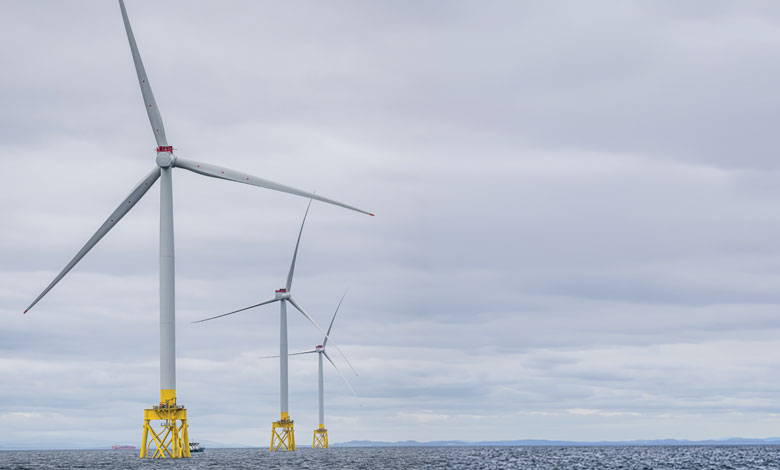
The data and stories shared across the three pillars of environment, social and governance paint a picture of an organisation laser-focused on delivery. Highlights from the journey to net zero include ending coal-fired electricity generation last summer, launching the company’s first wholly owned solar farm, and winning the rights to develop the Tonn Nua offshore wind farm off the South-East coast, together with partner Ørsted.
Reporting on the social pillar brings to life how ESB is empowering customers through programmes like the rollout of smart meters, and is contributing to communities with over €2 million every year in development and benefit funds. It also explores action to support workers in the value chain, such as the design of a human-rights due diligence process, and targeted equity and inclusion measures for ESB’s own workforce. These measures contribute to the wider objective of ensuring that customers are active participants in the energy transition and that ESB has a resilient supply chain to sustain operations.
Embedding sustainability beyond reporting
The final pillar, governance, shines a light on how culture and decision-making contribute to sustainability outcomes – with ESB’s adoption of CSRD reporting playing a central role.
As a semi-state body, ESB participates in CSRD on a voluntary basis. The company has a long track record in transparency on sustainability. It began reporting on ‘Social Responsiveness’ as far back as the 1970s, was a founding member of Business in the Community in 2000, and published its first standalone Sustainability Report in 2011.
The transition to CSRD reporting is a continuation of this commitment to transparency. The report presents material impacts, risks and opportunities for relevant areas across the business – setting out targets to be achieved, actions needed to achieve them, and how progress is measured.
The level of detail and rigour required for this new kind of reporting demands an organisation-wide approach. For ESB, this was as much an opportunity as a challenge, part of a broader drive to embed sustainability throughout the business. A flagship initiative has been the company’s Sustainability Transformation Enablement Programme (STEP), which not only put in place the structures and processes to implement CSRD but also focused on fostering a culture of sustainability-first thinking across roles.
Facing the future
For ESB, it was important that the report does not shy away from addressing the challenges ahead, both for the organisation itself and for the energy sector more broadly. These range from squaring the circle of building out renewables and grid while using resources responsibly, to making the critical infrastructure investment needed while ensuring energy remains affordable for all. By providing a platform to highlight challenges faced across the industry, this reporting can support an open discussion across sectors to help find a way forward together.
In addition to providing a transparent picture of progress for stakeholders and investors, the report offers an opportunity to communicate more widely on a sample of all that ESB is doing to enable the sustainable energy transition – building trust and support for Ireland’s journey to a clean and secure energy future.
 Ossian Smyth TD
 Florika Fink-Hooijer
 Antoine Oger
 Laura Curtis-Moss
 Anthony Costello
 Niall Ó Donnchú
 Mike Savage
 Brian Carroll
 Oisín Coghlan
 Stephen Onakuse
 Kevin O’Sullivan
 Hendrik W van der Kamp
 Philip Nugent
 Adrian Smyth
 Ainhoa Gonzalez Del Campo
 Geoff Doole
 Clare Pillman
 David Greenfield
 Danielle Conaghan
 Peter McEvoy
 Triona McGrath
 J Owen Lewis
 Gavin Smith
 Imelda Hurley
 Lucy Gaffney
 Dr Venkatesh Kannan
 Kevin Hegarty
 Eimear Cotter
 Aditya Arora
 Patric Child
 Eleanor Roche
 Andy Bleasdale
 Andrew Muir MLA
 Chris Hewitt
 Francesca Racioppi
 Danielle Conaghan
 Christopher Hammond
 Laura Díaz Anadón
 Lorna McAdoo
 Conor Murphy
 Mark Horton
 Niall McLoughlin
 Susan Hegarty
 Zoe Kavanagh
 Niall Ó Donnchú
 Venkatesh Kannan
 David McGee
 Anna Rose
 Paul Hogan















 Levent Ergin
 Veronica Manfredi
 Francis Finnerty
  Timmy Dooley TD
 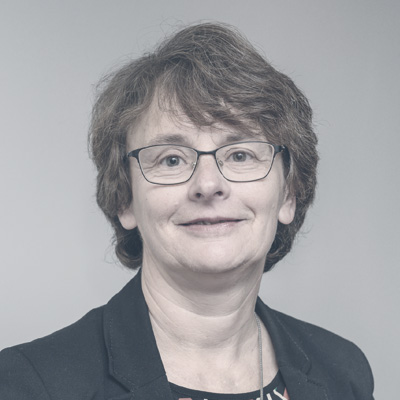 Julie Thompson
  Mark Thuillier
  Martin Hutchings
  Mark Nolan
 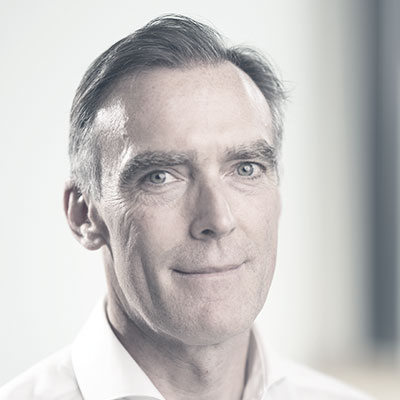 Ian Marnane
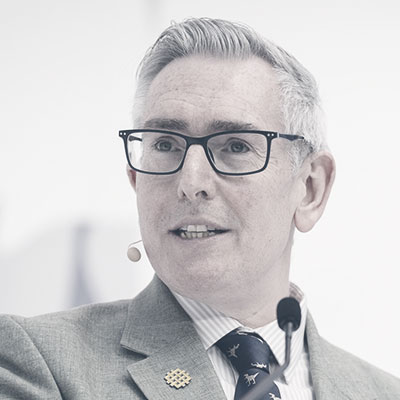 Tom Pickerell
 Caroline Kuzemko
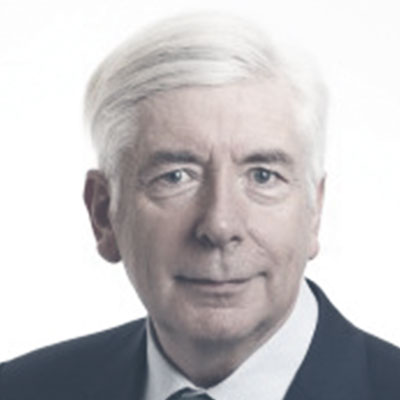 Alex White
 Dr Lizzy Pinkerton
  Dr. Lisa McNamee
  Denise Cahill
 Claragh Mulhern
 Sophie Reynolds
 Eva Maria Bille
  Jacinta Conway
  Joe Duignan
 Maria Fitzpatrick
 Martina Hennessy
  Noel Meehan
 Enda Murphy
 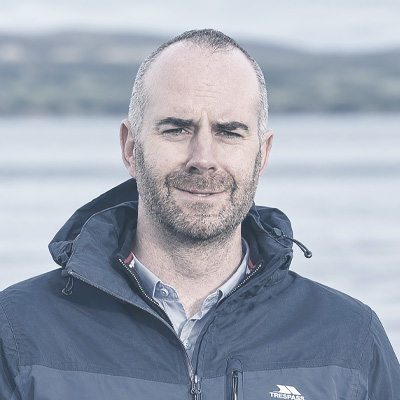 Barry O’Loughlin
 Paul O’Neill
 Irene Rondini
 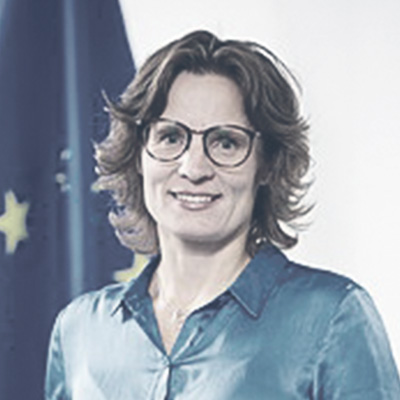 Jessika Roswall
 Fiona Simpson
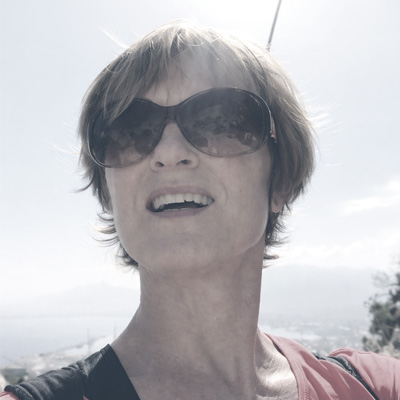 Anne Goggin
  Catherine Vilquin
  Conall Boland
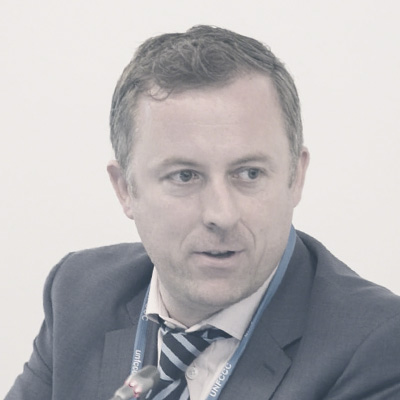 Colin O’Hehir
 Janet Lynch
 Sara Lynch
 Maria Kelly
 Deborah Spence
 Juan Pablo Martinez
 Valentina Tarasco