
Skills for a green economy
29th September 2025
NVM: Enabling effective flood management
6th October 2025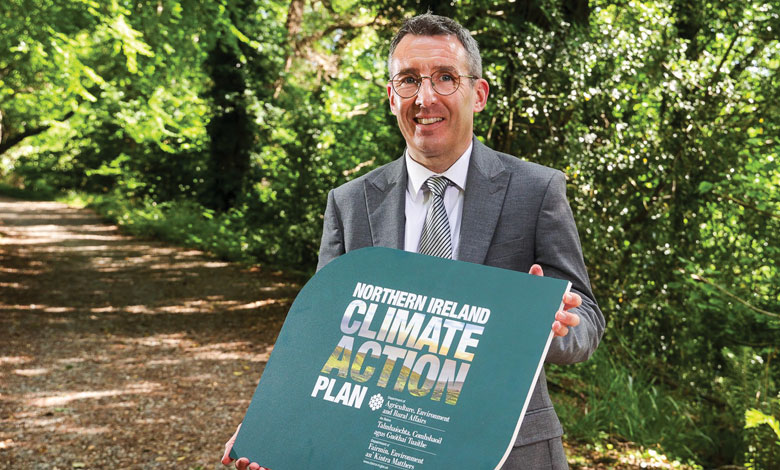
Published in June 2025, Northern Ireland’s first draft Climate Action Plan for 2023-2027 outlines the policies and proposals intended to meet the region’s inaugural carbon budget. However, with the consultation now underway, delivery against targets is already constrained by the passage of time.
The Climate Change Act (Northern Ireland) 2022 set a statutory target of net zero greenhouse gas (GHG) emissions by 2050, alongside interim reduction targets of 48 per cent by 2030 and 77 per cent by 2040 against 1990 baseline levels.
Supporting these ambitions, the Act requires the setting of five-yearly carbon budgets, limiting the total permissible GHG emissions. Regulations passed by the Assembly in December 2024 set the first three carbon budgets:
- 2023-2027: 33 per cent average annual reduction from 1990 baseline;
- 2028-2032: 48 per cent average annual reduction; and
- 2033-2037: 62 per cent average annual reduction.
The draft Climate Action Plan is therefore focused on ensuring compliance with the first carbon budget, now in its third year of delivery.
Scope of the draft plan
The plan sets out 52 policies and proposals spanning nine sectors:
- energy production and supply;
- transport;
- business and industrial processes;
- residential buildings;
- public buildings;
- waste management;
- agriculture;
- land use, land-use change and forestry (LULUCF); and
- fisheries.
Analysis indicates that the combination of quantified policies should be sufficient to deliver the required 33 per cent reduction. However, the draft plan acknowledges that this relies on “stretching assumptions” around investment, policy alignment, and public behaviour change.
Consultation process
A 16-week public consultation on the draft opened in June 2025 and will close on 8 October 2025.
On 20 August 2025, DAERA launched a programme of 10 in-person consultation events, beginning in Belfast and extending to locations including Cookstown, Enniskillen, Ballymena, Newry, Omagh, and Derry. Two online events were also scheduled.
Launching the process, DAERA Minister Andrew Muir MLA said: “The launch of the draft Climate Action Plan is a significant milestone for Northern Ireland that will inform how we reduce carbon emissions, grow our green economy, protect our environment and improve our health and wellbeing. Everyone in society will have a key role to play in delivering it.”
Departmental responsibilities
DAERA holds lead responsibility for preparation and publication of the plan. However, each Executive department has been assigned sectoral responsibility:
- Department for the Economy: energy production and supply, business and industrial processes, and public buildings;
- Department for Infrastructure: transport;
- Department for Communities: residential buildings; and
- DAERA: waste management, agriculture, LULUCF, and fisheries.
Governance is provided by a strategic oversight group of senior officials from all departments, chaired by the DAERA Permanent Secretary and supported by an evidence and analysis group to oversee quantification methodologies.
Sectoral pathways
The UK Climate Change Committee (CCC) provided advice on Northern Ireland’s pathway to net zero, setting indicative sectoral reductions. Key actions include:
- Energy: expansion of renewable electricity generation with storage and back-up;
- Transport: scaling zero-emission vehicle uptake and encouraging modal shift;
- Buildings: retrofitting and adoption of low-carbon heating;
- Agriculture: a reduction in livestock numbers alongside efficiency measures;
- LULUCF: afforestation and peatland restoration; and
- Waste: elimination of biodegradable waste to landfill.
Public consultation responses to the CCC’s advice demonstrated broad support for most pathways, though agriculture generated significant divergence of views.
Monitoring and reporting
The plan establishes a statutory monitoring and reporting framework, with DAERA required to publish annual updates to the Assembly. Public bodies will also be subject to new reporting requirements.
Additional oversight is expected from the new Northern Ireland Climate Commissioner and the Just Transition Commission, established under the 2022 Act.
Just transition
The Act requires all departments to have regard to the “just transition” principle when developing policies. This includes ensuring fairness, supporting vulnerable groups, and creating new green jobs.
The draft plan states: “Bringing about the transformational change required will mean everyone doing things differently. The Climate Action Plan can be implemented in a way that is fair to everyone through applying a just transition approach.”
Risks and challenges
Despite its breadth, the draft CAP identifies several challenges:
- reliance on adequate funding and investment across sectors;
- uncertainty over public and political support for behavioural change;
- limited time, with the region already two years into the first carbon budget; and
- gaps in data and evidence, requiring further development in future plans.
DAERA has also emphasised that failure to act decisively will increase long-term costs, both economic and environmental.
Next steps
The consultation outcome will inform the final Climate Action Plan, to be laid before the Assembly later in 2025.
In parallel, DAERA has launched consultation on Northern Ireland’s fourth carbon budget (2038-2042), closing on 17 November 2025.
With Northern Ireland entering the midpoint of the first budget period, delivery against targets will require accelerated action, significant investment, and cross-societal commitment if the 2050 net zero goal is to remain credible.

 Ossian Smyth TD
 Florika Fink-Hooijer
 Antoine Oger
 Laura Curtis-Moss
 Anthony Costello
 Niall Ó Donnchú
 Mike Savage
 Brian Carroll
 Oisín Coghlan
 Stephen Onakuse
 Kevin O’Sullivan
 Hendrik W van der Kamp
 Philip Nugent
 Adrian Smyth
 Ainhoa Gonzalez Del Campo
 Geoff Doole
 Clare Pillman
 David Greenfield
 Danielle Conaghan
 Peter McEvoy
 Triona McGrath
 J Owen Lewis
 Gavin Smith
 Imelda Hurley
 Lucy Gaffney
 Dr Venkatesh Kannan
 Kevin Hegarty
 Eimear Cotter
 Aditya Arora
 Patric Child
 Eleanor Roche
 Andy Bleasdale
 Andrew Muir MLA
 Chris Hewitt
 Francesca Racioppi
 Danielle Conaghan
 Christopher Hammond
 Laura Díaz Anadón
 Lorna McAdoo
 Conor Murphy
 Mark Horton
 Niall McLoughlin
 Susan Hegarty
 Zoe Kavanagh
 Niall Ó Donnchú
 Venkatesh Kannan
 David McGee
 Anna Rose
 Paul Hogan














 Levent Ergin
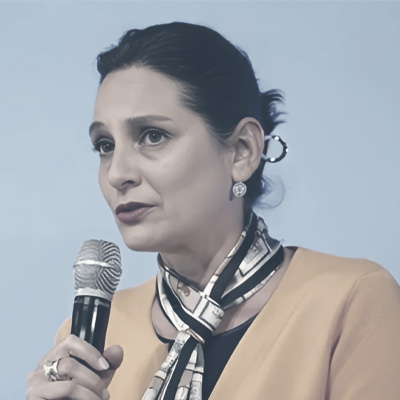 Veronica Manfredi
 Francis Finnerty
  Timmy Dooley TD
  Julie Thompson
  Mark Thuillier
 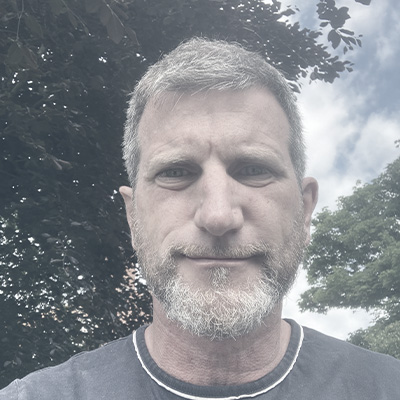 Martin Hutchings
  Mark Nolan
  Ian Marnane
 Tom Pickerell
 Caroline Kuzemko
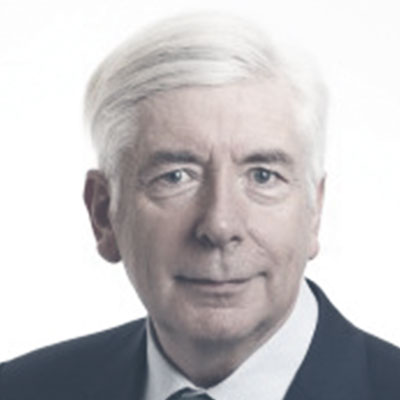 Alex White
 Dr Lizzy Pinkerton
  Dr. Lisa McNamee
  Denise Cahill
 Claragh Mulhern
 Sophie Reynolds
 Eva Maria Bille
  Jacinta Conway
  Joe Duignan
 Maria Fitzpatrick
 Martina Hennessy
  Noel Meehan
 Enda Murphy
 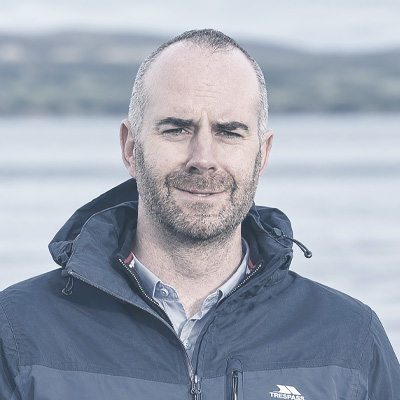 Barry O’Loughlin
 Paul O’Neill
 Irene Rondini
 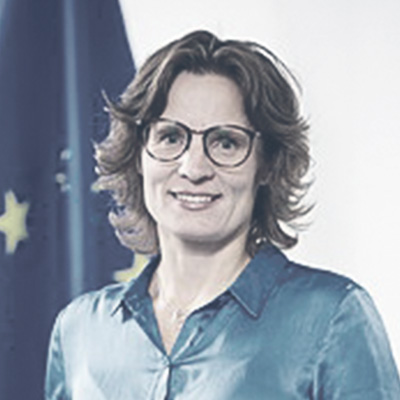 Jessika Roswall
 Fiona Simpson
 Anne Goggin
  Catherine Vilquin
 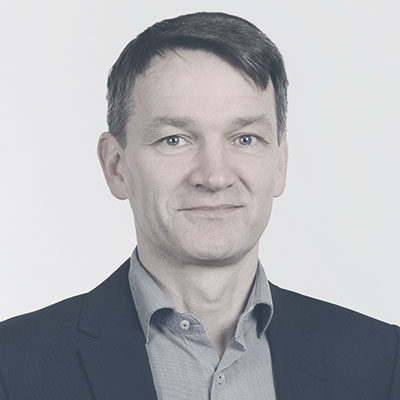 Conall Boland
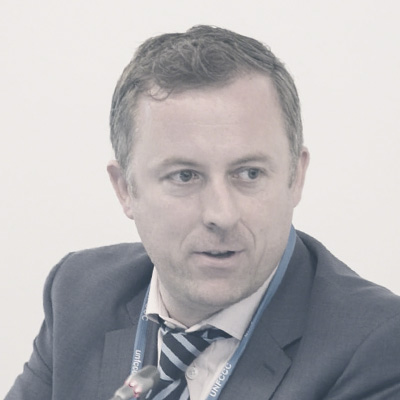 Colin O’Hehir
 Janet Lynch
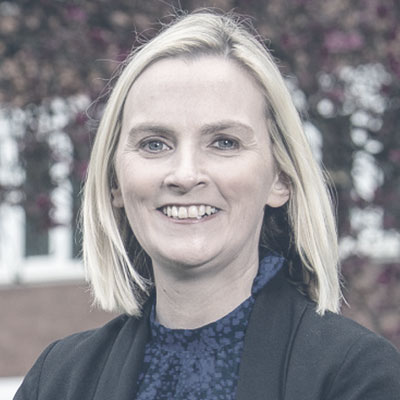 Sara Lynch
 Maria Kelly
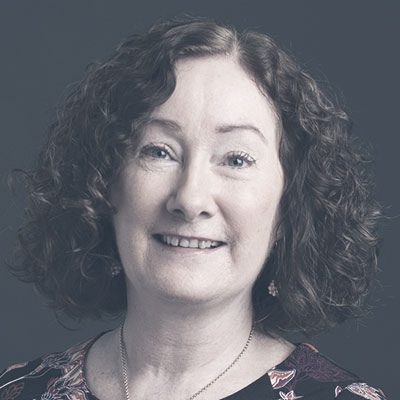 Deborah Spence
 Juan Pablo Martinez
 Valentina Tarasco